
You’re staring at your analytics dashboard at 2PM, watching your ad spend climb while your cost per acquisition keeps getting worse. Last month alone, you burned through $8,000 in Google Ads, and while you got clicks, your actual customer conversions didn’t justify the expense. Meanwhile, your competitor seems to dominate the search results without paying a dime for ads, pulling in steady traffic month after month.
This is the organic and paid traffic dilemma that keeps business owners up at night. Should you invest in SEO and play the long game, or should you pay for instant visibility through PPC campaigns?
The truth is, understanding the strategic difference between organic and paid traffic isn’t just about choosing one over the other, it’s about knowing when each strategy makes sense for your business goals, budget, and timeline.
In this guide, we’ll break down exactly how organic and paid traffic work, their real pros and cons (not just the marketing fluff), and most importantly, when you should deploy each strategy to maximize your ROI and build sustainable growth.
By the end, you’ll have a clear framework for making smart traffic decisions instead of burning budget on tactics that don’t match your stage.

What is Organic Traffic: The Long Game That Compounds
Organic traffic refers to visitors who find your website through unpaid search results on Google, Bing, or other search engines. They discover your content because you’ve optimized your pages, created valuable content, and earned authority in your niche, not because you paid for placement.
How Does Organic Traffic Actually Work:
You publish content targeting specific keywords your audience searches for, optimize your meta descriptions and title tags, build quality backlinks from reputable sites, and improve your overall domain authority.
Over time (usually 3-6 months for competitive terms), search engines recognize your site as relevant and trustworthy, ranking you higher in SERPs (search engine results pages). The beautiful part? Once you rank, that organic search traffic keeps flowing without ongoing ad spend.
Research shows that SEO provides three times as many leads as paid search when measured over the long-term, and organic traffic makes up the majority of all internet traffic. The conversion rates from organic visitors also tend to be higher because people trust organic listings more than ads, they’re actively searching for solutions and see your content as credible, not sponsored.
What is Paid Traffic: Speed and Control at a Cost
Paid traffic is exactly what it sounds like: you pay platforms like Google Ads, Facebook Ads, LinkedIn, or Instagram to display your content to targeted audiences. The moment your PPC (pay-per-click) campaign goes live, you start getting clicks and visitors, no waiting for search engines to notice you.
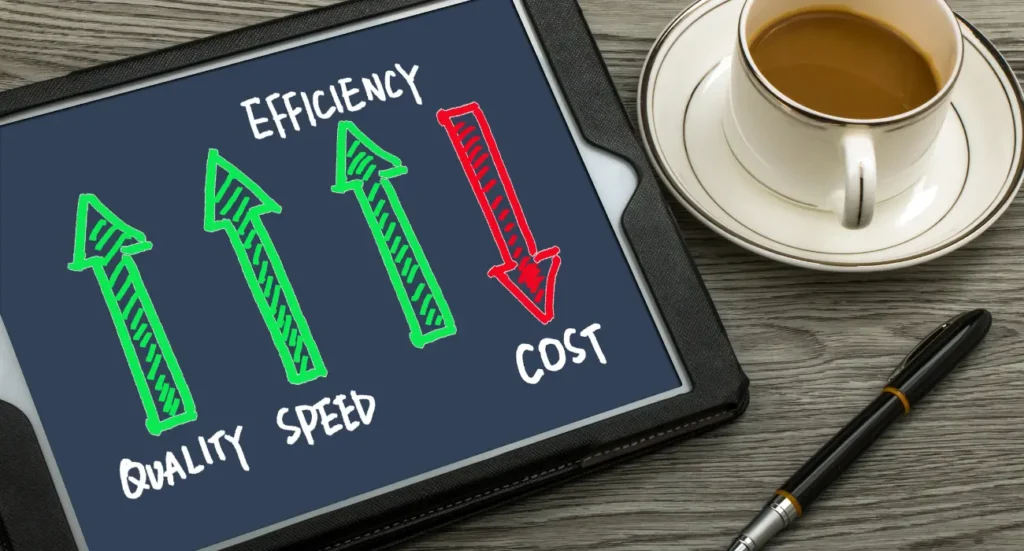
The power of paid traffic strategies lies in precision and immediacy. You can target specific demographics, interests, behaviors, and even people who’ve already visited your site through retargeting campaigns.
You control your budget, adjust your ad copy in real-time, and see immediate data on what’s working. For new product launches, time-sensitive promotions, or lead generation campaigns that need quick results, paid advertising delivers visibility that organic methods simply can’t match in the short term.
However, there’s a critical catch: paid ads provide instant traffic, but once you stop paying for ads, the traffic stops. Every visitor costs money, and in competitive industries, your cost per click (CPC) and customer acquisition cost (CAC) can escalate quickly, making paid media unsustainable as your only traffic source unless your lifetime value (LTV) justifies the spend.
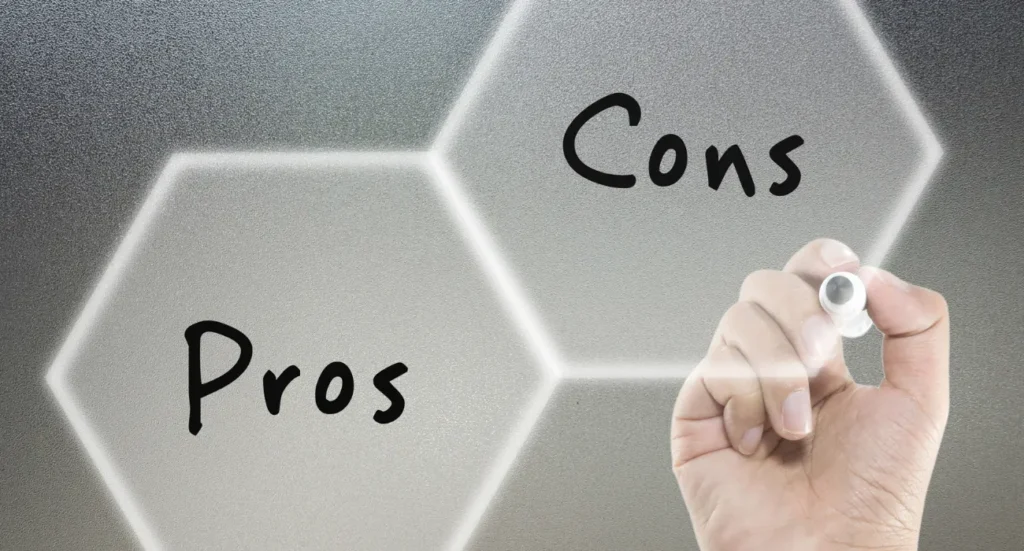
Organic and Paid Traffic: The Real Pros and Cons
Now let’s take a look at what each traffic source actually delivers.
Organic Traffic Pros:
- It’s cost-effective long-term
- Builds credibility and trust
- Compounds over time (your content keeps working without additional spend)
- Delivers higher conversion rates because users trust organic results.
Organic Traffic Cons:
- It’s slow, expect 3-6 months before seeing meaningful traction
- Requires consistent content creation and SEO expertise
- You can’t control rankings as precisely as paid placements since search algorithms ultimately decide your visibility.
Paid Traffic Pros:
- Immediate results (traffic starts flowing the moment campaigns launch)
- Precise targeting capabilities
- Complete budget control
- Easy performance tracking through analytics platforms and scalability
- You can increase spending to increase traffic predictably.
Paid Traffic Cons:
- It requires ongoing investment (traffic stops when the budget stops)
- It can get expensive fast in competitive markets
- Users sometimes skip ads, preferring organic results
- You’re building a rented audience rather than owned organic reach.
Businesses with strong organic foundations typically see 20-40% better ROI from paid campaigns, which reveals the real insight: these strategies work best together, not in isolation.
Organic and paid traffic complement each other when orchestrated strategically. Organic builds your foundation and credibility, while paid accelerates visibility and captures immediate demand.
When to Use Organic vs Paid Traffic Strategies
Smart marketers know when to use organic traffic and when to use paid traffic. Organic strategies like SEO and content marketing are best for long term growth. They help build brand authority, attract people who are researching, and create a steady flow of traffic without constant ad spend.
This approach works well for service businesses, B2B companies with longer sales cycles, and brands that want sustainable growth over time, especially when you understand how it differs from traditional methods, as explained in Growth Marketing vs Traditional Marketing: What’s the Difference?.
Paid traffic is better when you need results quickly. It helps with launching products, promoting limited time offers, testing messages, or targeting people who are ready to buy. Many businesses use ads to generate quick sales while building organic content in the background.
To make the most of this approach, having a clear content plan is key, which is why it helps to explore a practical guide on building a content strategy that supports both paid and organic growth.
The smartest approach is to use both paid traffic for immediate visibility and organic traffic to lower customer acquisition costs over time. If you want a deeper breakdown of how this works in practice, you can explore a complete marketing funnel guide that explains each stage and how to optimize it.

How Techdella Balances Organic and Paid Traffic for Maximum ROI
What sets Techdella apart is our integrated approach to organic and paid traffic. Instead of treating SEO and paid ads as separate services, we build strategies where both channels support each other. This helps businesses increase overall marketing ROI rather than optimizing each channel in isolation.
Our process begins with understanding your customer journey and key metrics like LTV to CAC, sales cycle length, and how your current funnel performs. With these insights, Techdella designs a traffic strategy that fits your business stage and growth goals.
For early-stage startups, this might mean launching targeted paid campaigns while building a strong SEO foundation that grows over time. For established businesses, we focus on improving existing content, finding quick SEO wins, and optimizing conversions. The goal is simple, track what works from first click to revenue, so every marketing decision is based on real performance data.
If you want to understand the key numbers that drive real growth, explore Techdella’s guide on startup marketing metrics and learn how to track what truly matters.
Frequently Asked Questions
How long does it take to see results from organic traffic vs paid traffic?
Paid traffic delivers immediate results; you can start seeing clicks and conversions within hours of launching campaigns. Organic traffic typically takes 3-6 months to gain meaningful momentum for competitive keywords. However, organic compounds, over time, while paid, stop the moment your budget runs out, making organic more cost-effective long-term despite the slower start.
Which is more cost-effective: organic or paid traffic?
Organic traffic is more cost-effective long-term since you’re not paying per click, though it requires upfront investment in content creation and SEO. Paid traffic costs more over time but delivers faster returns. The most cost-effective approach combines both: use paid for immediate revenue while building organic assets that progressively lower your overall customer acquisition cost quarter over quarter.
Can I rely solely on organic traffic, or do I need paid ads too?
You can build a business primarily on organic traffic if you have patience and invest consistently in SEO and content marketing. However, most successful businesses use organic and paid traffic together strategically, paid provides immediate visibility and testing capabilities while organic builds sustainable foundations.
The Bottom Line
There is no real winner in the organic vs paid traffic debate because both serve different goals. Paid ads give you speed and immediate results, which is useful for launches, promotions, and testing new offers. Organic traffic takes longer to build, but it grows trust and brings steady visitors without relying on constant ad spending.
In 2026, the businesses seeing the best results are combining both. They use paid traffic to capture demand quickly while building organic content that supports long term growth. If you want a strategy that balances quick wins with sustainable traffic, you can book a discovery call with Techdella to review your current traffic sources and create a clearer path forward.
Strategy, execution, and growth systems for founders building in Nigeria and scaling everywhere.
Join the first 50 founders building the next wave of African tech.

Ultimate Guide to Business Growth [From Struggles to Establishment]
We’ll be covering absolutely everything you’ll ever need to know about business growth.
Read →
Business Growth Management: Handling Business Expansion
Every entrepreneur dreams of growing their business, but the challenge lies in business growth management.…
Read →
Startup Branding: Expert Tips on Branding Small Business
We’ll be discussing why branding matters and its role in making your business successful.
Read →