Running a small business means wearing multiple hats, and keeping track of customer relationships shouldn’t feel like another full-time job. That’s where Free CRM Tools for Small Business come in. These platforms help you organize contacts, manage sales pipelines, and nurture leads without breaking the bank. In 2026, the landscape of customer relationship management software has evolved to offer robust features even in free versions, making it easier than ever for entrepreneurs and small teams to compete with larger corporations.
Whether you’re a startup founder, a solopreneur, or managing a growing team, choosing the right affordable CRM solutions can transform how you handle customer interactions. This guide explores the best free CRM software options available this year, helping you make an informed decision that aligns with your business needs.

Why Small Businesses Need CRM Software
Before diving into the top tools, let’s understand why CRM software for startups has become essential. Customer relationship management isn’t just about storing contact information anymore. Modern small business CRM platforms help you track every touchpoint with potential and existing customers, automate follow-ups, and gain insights into your sales performance.
For small businesses operating on tight budgets, free CRM tools offer a cost-effective way to professionalize operations. You get to centralize customer data, improve team collaboration, and create better customer experiences without the financial commitment of enterprise software. Plus, many free options provide enough functionality to serve businesses with up to three to five team members, making them perfect for early-stage growth.
Suppose you’re looking to integrate CRM functionality with your broader marketing automation strategy. In that case, companies like Techdella specialize in helping small businesses orchestrate their sales, marketing, and customer service operations into one cohesive system. Our expertise in B2B marketing and RevOps ensures your CRM doesn’t exist in isolation but becomes part of a revenue-generating machine.
Top 10 Free CRM Tools for Small Businesses in 2026
Let’s explore the best CRM for small business options that won’t cost you a penny to get started, while still delivering professional-grade features.
1. HubSpot CRM
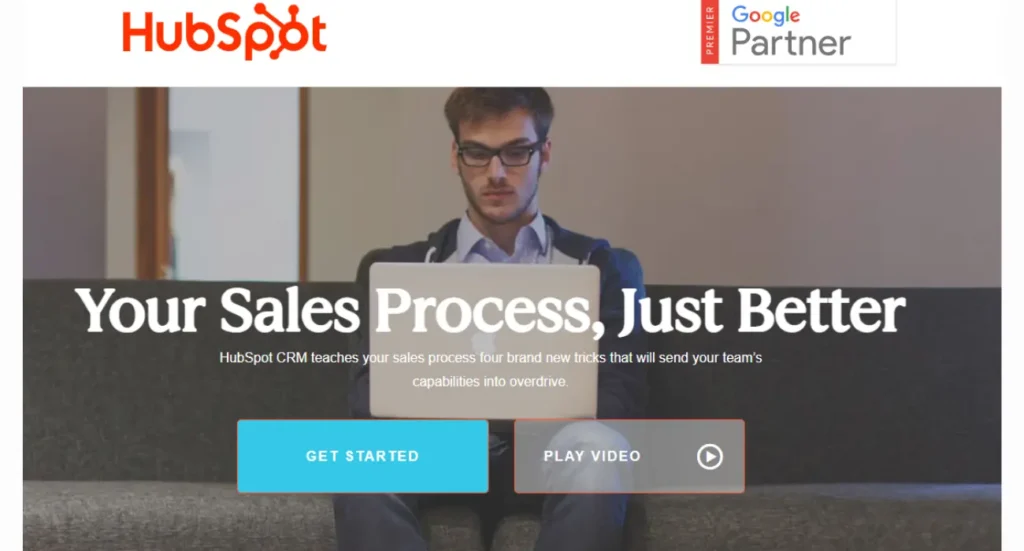
HubSpot CRM remains the gold standard for free CRM platforms in 2026. This comprehensive tool supports up to two users and 1,000 contacts with no time limits or hidden costs. The platform shines with its intuitive interface, email tracking, meeting scheduling, and sales pipeline management features.
What makes HubSpot stand out is its seamless integration with marketing and sales tools, making it ideal for businesses that want to scale. You get email templates, call logging, and customizable reporting dashboards that provide real-time insights into your sales activities. The AI-powered assistant helps you research companies and prepare for sales calls efficiently.
2. Zoho CRM
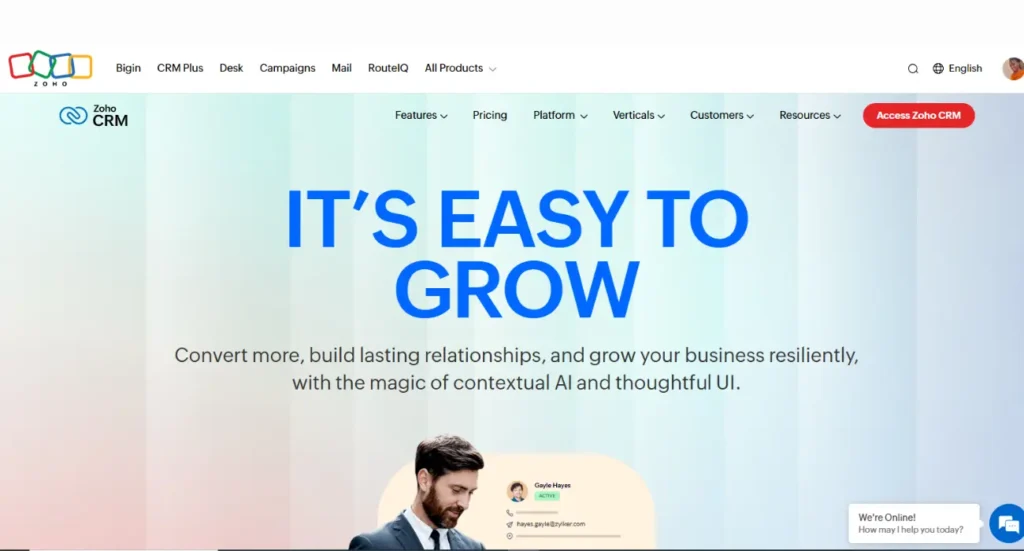
Zoho CRM offers a fully-featured free edition for up to three users, supporting 5,000 records. This cloud-based CRM solution includes lead and contact management, email marketing tools, workflow automation for five tasks, and multichannel communication features.
The platform provides excellent customization options, allowing you to rename tabs and create custom list views that match your business terminology. Zoho’s integration ecosystem connects seamlessly with other Zoho applications, giving you a comprehensive business management suite. For small teams looking for CRM with email integration, Zoho delivers exceptional value.
3. Freshsales
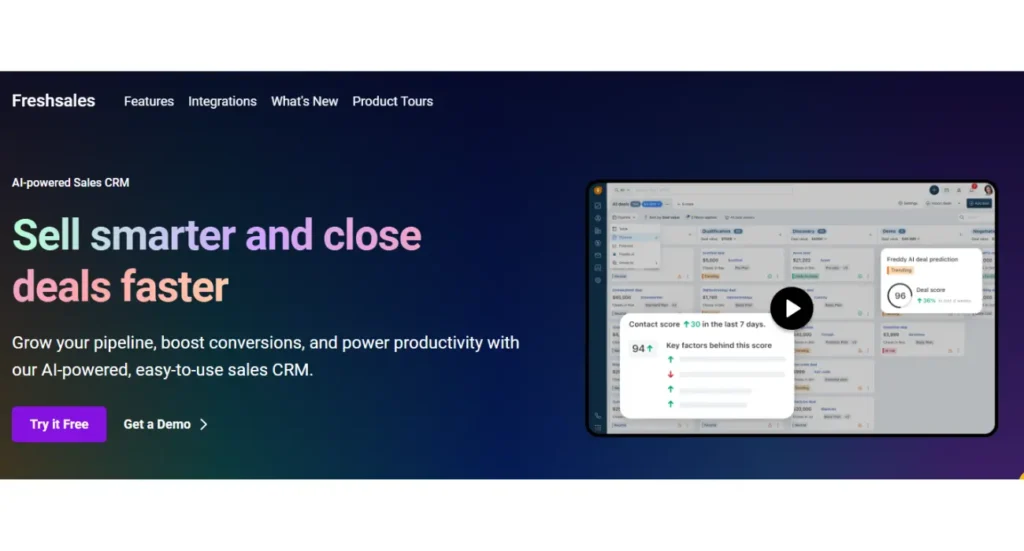
Freshsales (formerly Freshworks CRM) provides a free plan for up to three users with unique 24/5 phone, chat, and email support. This contact management system includes a visual sales pipeline, activity tracking, and built-in phone and email capabilities.
The dashboard provides a clear visualization of your sales process, helping teams prioritize deals effectively. Freshsales excels at helping businesses that need responsive customer support alongside their CRM functionality, making it perfect for service-oriented companies.
4. Bitrix24
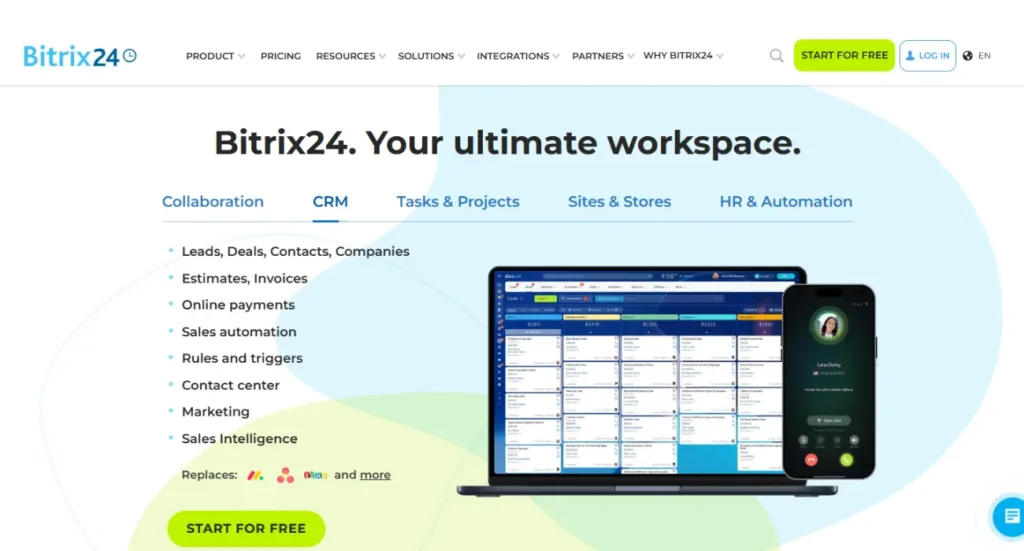
Bitrix24 offers one of the most generous free plans, supporting unlimited users with 5GB of storage. This comprehensive CRM and project management tool includes task management, collaboration features, document storage, and even video conferencing capabilities.
The platform goes beyond typical CRM functionality by incorporating team communication tools, making it ideal for remote teams. You get contact center features, marketing automation, and website builder capabilities, essentially providing an all-in-one business management solution.
5. Agile CRM
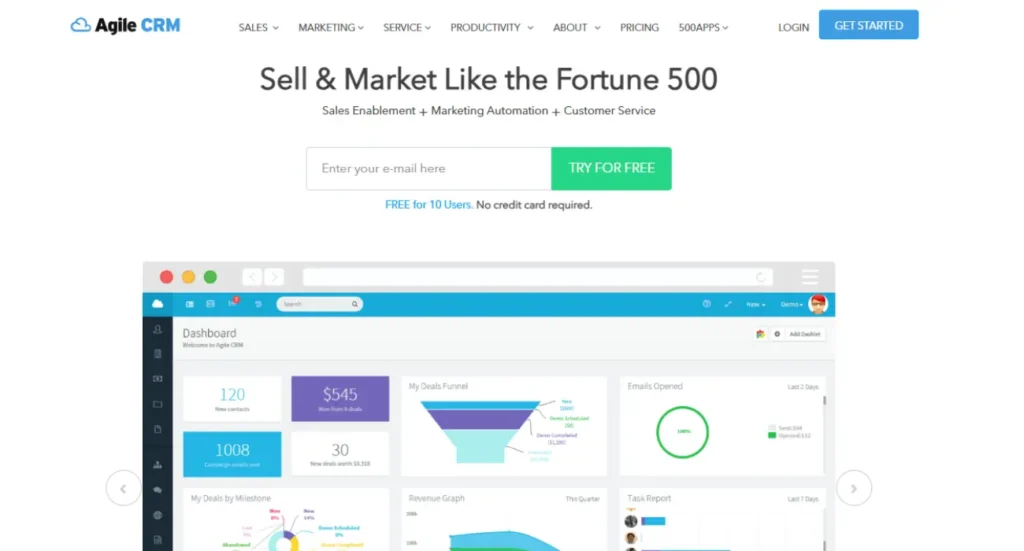
Agile CRM delivers marketing, sales, and service automation in one unified platform. The free plan includes contact management, appointment scheduling, landing page creation, and web forms. This marketing CRM software stands out for its drag-and-drop campaign builder and 1-click calling features.
Small businesses appreciate Agile CRM’s comprehensive approach, combining email marketing automation with customer service ticketing. However, be aware that branded emails require sending at least 5,000 messages, even on paid plans.
6. EngageBay

EngageBay provides an all-in-one free CRM solution with marketing automation, sales, and customer service features. The free plan supports 1,000 contacts and includes email marketing, landing pages, and basic automation workflows.
This platform works particularly well for businesses seeking lead generation tools integrated directly into their CRM. EngageBay’s unified approach means you can nurture leads from first contact through to conversion without switching platforms.
7. Capsule CRM
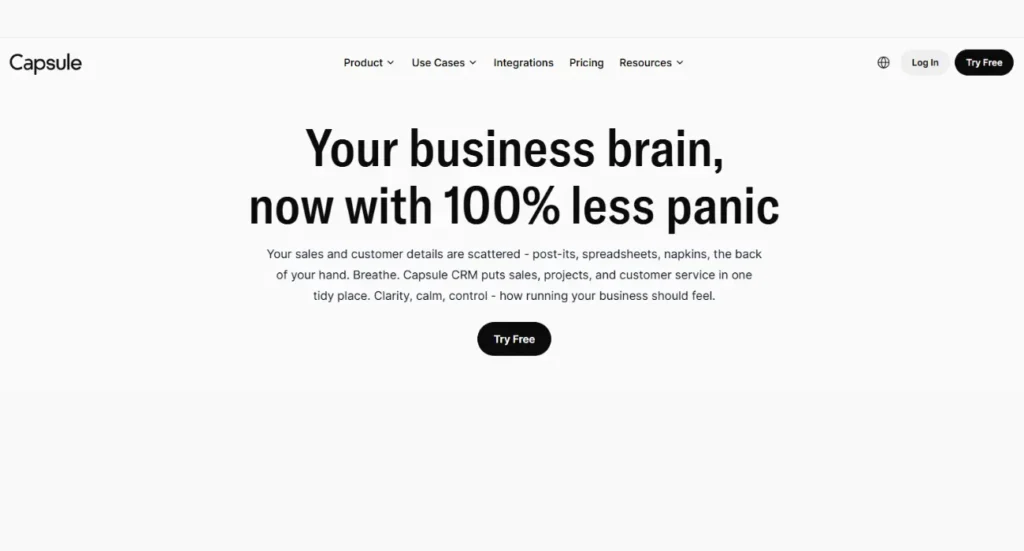
Capsule CRM offers a clean, straightforward interface perfect for small teams new to CRM implementation. The free plan supports two users and 250 contacts, focusing on essential relationship management features without overwhelming complexity.
You get contact and sales tracking, task management, and basic reporting. Capsule integrates well with popular business tools like G Suite and Mailchimp, making it easy to incorporate into existing workflows. This simple CRM software prioritizes ease of use over extensive features.
8. Streak CRM
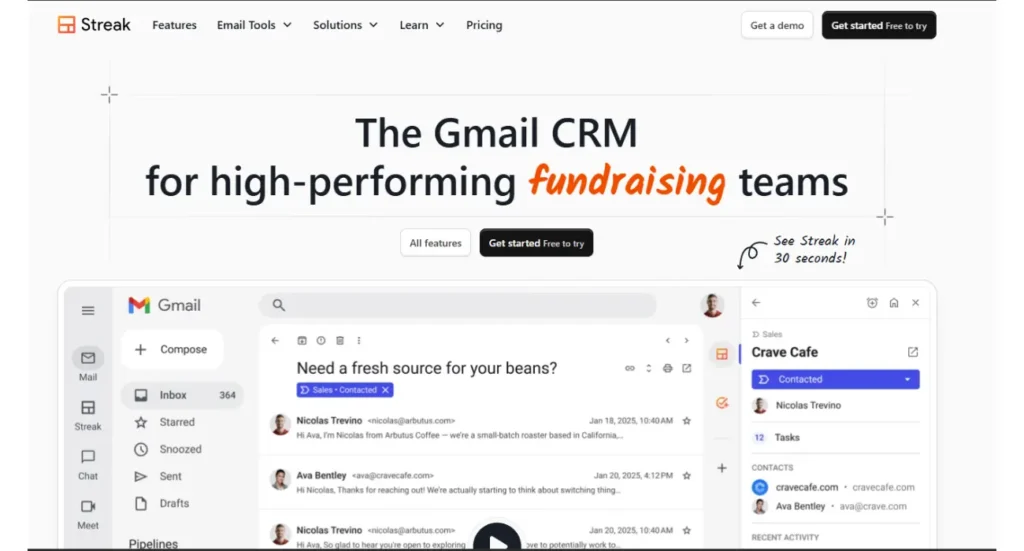
Streak CRM takes a unique approach by embedding directly into Gmail, making it perfect for businesses that live in their inbox. This Gmail CRM extension requires minimal setup and provides pipelines for products, follow-ups, sales, and support right within your email interface.
The free plan supports two users and includes email tracking, mail merge, and shared pipelines. While it only works with Gmail (a limitation for some), it offers unmatched convenience for Gmail-dependent teams. The drag-and-drop interface prioritizes efficiency and simplicity.
9. Insightly
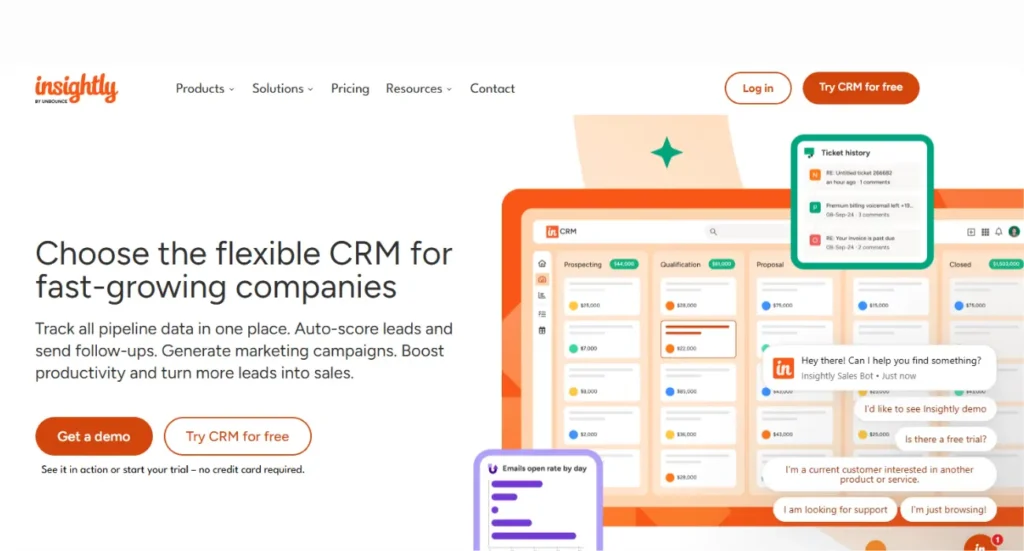
Insightly combines CRM with powerful project management capabilities, making it ideal for businesses that need to track both customer relationships and project deliverables. The free plan supports two users and includes contact management, opportunity tracking, and task management.
This CRM with project management features helps agencies, consultancies, and service businesses keep client work organized alongside relationship data. Insightly’s reporting tools provide visibility into both sales performance and project progress.
10. Vtiger CRM
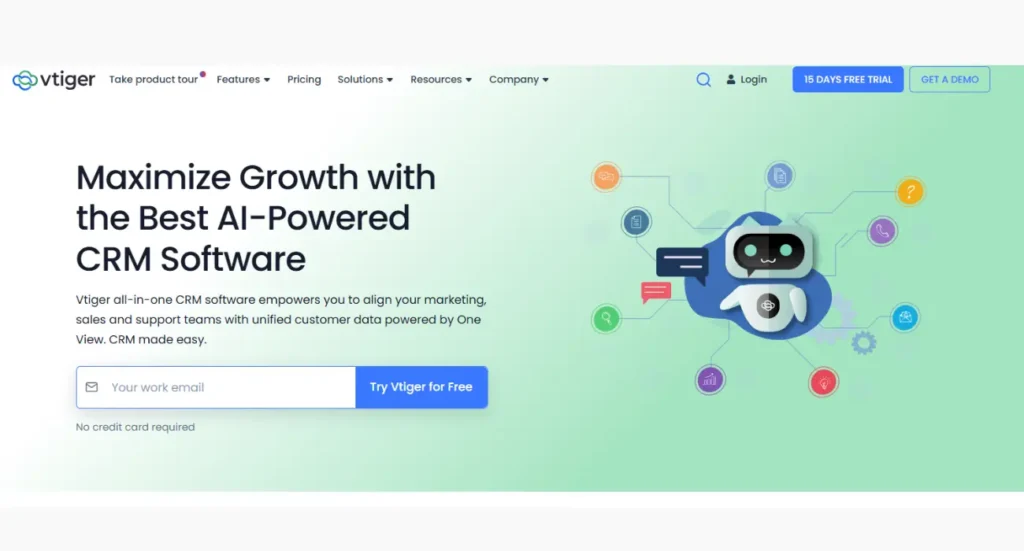
Vtiger CRM offers an open-source option with a free plan supporting up to ten users. This customizable CRM platform includes sales automation, inventory management, and help desk features, making it suitable for product-based businesses.
The platform provides mobile apps for iOS and Android, ensuring your team stays connected on the go. Vtiger’s emphasis on customization makes it appealing for businesses with specific workflow requirements, though it may require more technical knowledge to fully optimize.
How to Choose the Right Free CRM for Your Business
Selecting from these top free CRM tools depends on several factors specific to your business needs. Consider your team size first; some platforms limit users on free plans, while others offer unlimited access. Next, evaluate your primary use case: are you focused on sales pipeline management, marketing automation, or customer service?
Integration capabilities matter significantly. Your CRM should connect seamlessly with tools you already use, whether that’s email platforms, accounting software, or marketing tools. Look for platforms offering API integrations and native connections to popular business applications.
Consider the learning curve as well. Some CRMs like HubSpot and Zoho offer extensive features but require time to master, while simpler options like Capsule or Streak get you operational within minutes. Think about your team’s technical comfort level and available training time.
Finally, evaluate upgrade paths. While you’re starting with free versions, understanding the pricing and features of paid tiers helps you plan for growth. Some platforms offer smooth transitions to paid plans, while others require significant adjustments.
Maximizing Your Free CRM’s Potential
Implementing Free CRM Tools for Small Business is just the first step. To truly benefit, you need a strategic approach to CRM adoption. Start by cleaning and organizing your existing customer data before importing it into your new system. Define clear processes for how your team will use the CRM, including when to log activities, update contact information, and move deals through your pipeline.
This is where partnering with experts like Techdella makes a significant difference. As a startup marketing agency, Techdella helps businesses not just implement CRM systems but also integrate them with broader growth strategies. Our CMO-as-a-Service offering provides strategic leadership to ensure your CRM aligns with your sales and marketing operations.
Techdella’s approach goes beyond basic CRM setup. We help you establish marketing automation workflows, create content marketing strategies that feed your pipeline, and implement conversion rate optimization techniques that turn CRM contacts into paying customers. Our expertise in SEO services and paid advertising ensures your CRM gets populated with high-quality leads worth nurturing.
Training your team is crucial for CRM success. Even the most powerful cloud CRM software fails if your team doesn’t use it consistently. Establish regular check-ins to review CRM usage, celebrate wins tracked in the system, and address any adoption challenges quickly.
Integrating CRM with Your Growth Strategy
A CRM isn’t just a database, it’s the foundation of your revenue operations. Smart businesses in 2026 understand that Free CRM Tools for Small businesses work best when integrated with comprehensive growth strategies. This means connecting your CRM to your website, email marketing platform, social media channels, and analytics tools.
Consider how your CRM data informs other business decisions. The insights you gather about customer behavior, deal velocity, and pipeline health should guide your digital marketing strategy. Are certain lead sources converting better? Focus your marketing efforts there. Are deals stalling at specific pipeline stages? Address those bottlenecks.
Working with a full-service marketing agency like Techdella helps you build these connections systematically. We specialize in creating cohesive systems where your CRM, landing pages, email marketing, and sales enablement tools work together seamlessly. Our GrowthSprint methodology helps you prioritize the right initiatives that move your specific business metrics.
For businesses in complex industries requiring B2B marketing expertise, Techdella offers specialized support in ABM plays, sales alignment, and security-focused proof packages that address risk-averse buyers’ concerns. Our understanding of the complete customer journey ensures your CRM strategy supports every stage from awareness to expansion.
Common Mistakes to Avoid with Free CRMs
While affordable CRM solutions offer tremendous value, small businesses often make predictable mistakes that limit their effectiveness. The first is treating the CRM as just a contact list rather than a dynamic tool for managing relationships. Your CRM should capture conversation history, document customer preferences, and track every meaningful interaction.
Another common error is inadequate data hygiene. Duplicate records, outdated information, and incomplete contact details undermine your CRM’s value. Establish regular data cleanup routines and enforce standards for how information gets entered.
Over-complication is another pitfall. Free CRMs come with numerous features, but that doesn’t mean you need to use everything immediately. Start with core functionality, contact management, deal tracking, and task management, then gradually adopt additional features as your team becomes comfortable.
Lastly, don’t neglect integration opportunities. Your Free CRM Tools for Small Business should connect with your email, calendar, and other critical tools. These integrations eliminate double data entry and ensure nothing falls through the cracks.
Frequently Asked Questions
Can free CRM tools really meet small business needs, or should I invest in paid solutions?
Free CRM tools offer substantial functionality for small businesses, especially in early growth stages. Platforms like HubSpot, Zoho, and Bitrix24 provide professional-grade features, including contact management, pipeline tracking, and basic automation at no cost. Most small businesses with fewer than five team members find free plans sufficient. Consider paid options when you need advanced automation, extensive integrations, or support for larger teams. The key is matching the tool to your current needs while choosing platforms with clear upgrade paths for future growth.
How do I migrate data from spreadsheets to a new CRM system?
Most modern CRMs offer straightforward import tools that accept CSV files. Start by cleaning your spreadsheet data, removing duplicates, standardizing formats for phone numbers and addresses, and ensuring consistent column naming. Export your spreadsheet as a CSV file, then use your CRM’s import wizard to map spreadsheet columns to CRM fields. Test with a small batch first, verify the data imported correctly, then proceed with your full dataset.
What’s the difference between CRM software and email marketing platforms?
CRM software focuses on managing customer relationships throughout the entire customer lifecycle, tracking interactions, managing sales pipelines, and organizing customer data. Email marketing platforms specialize in creating and sending bulk email campaigns, newsletters, and automated email sequences. While many modern CRMs include email marketing capabilities, and some email platforms offer basic CRM features, they serve different primary purposes.
Conclusion
Implementing Free CRM Tools for Small Businesses is a powerful way to modernize your operations and unlock sustainable growth. These platforms remove financial barriers and give you access to features that support data-driven marketing, sales optimization, and stronger customer experience design. Still, tools alone are not enough. Real progress happens when your CRM works as part of a unified strategy that aligns marketing, sales, and customer success. This is where a dedicated startup growth partner becomes essential.
Techdella helps small businesses turn their CRM into a true revenue engine by combining SEO and content marketing, conversion optimization, and tailored growth strategies. Whether you are setting up your first CRM or improving a system you already use, our team supports every stage with industry-specific guidance that builds predictable results. Book a discovery call today to get started.

My name is Omolola, I am a dedicated Content Writer at Techdella. I excel in simplifying complex procedures and keeping audiences informed with the latest trends. With a passion for staying updated in the fast-paced digital world, I spend considerable time online to ensure my content remains relevant and engaging.
Get it in your inbox
One email a week. Real startup marketing insights — no filler.
Join 1,400+ founders. Unsubscribe anytime.
You're in!
Thanks for subscribing. Your first issue will arrive shortly.