E-commerce is not what it was two years ago. Customer expectations are higher. Competition is tighter. Ad costs keep rising. In 2026, you do not win by doing more. You win by doing the right things in the right order.
This guide explains what marketing strategies for e-commerce business mean, how to identify the best marketing strategies in 2026, and the exact strategies that drive real e-commerce growth.

What Is a Marketing Strategy for an E-commerce Business
A marketing strategy for an e-commerce business is a structured plan for how you attract visitors, convert them into buyers, and keep them coming back. It connects your channels, messaging, offers, and customer experience into one system.
A strong strategy answers:
- Who you sell to and what they value
- What makes your offer worth choosing
- Where your buyers discover products
- How you build trust before purchase
- How you increase repeat purchases after a purchase
Without this structure, marketing becomes random. With it, growth becomes measurable.
How to Know the Best Marketing Strategies for E-commerce Business
The best strategies are not the ones trending online. They are the ones that align with your business model, margins, and buyer behavior.
Use these signals to judge what is truly best for your store:
- Your customer intent is clear: Your messaging matches what buyers are already searching for and comparing.
- Your channels support each other: That is, your paid ads, email, content, and retention work together as one system.
- Your store converts reliably: If traffic does not convert, scaling traffic only increases losses.
- Your retention engine is active: Repeat purchases reduce acquisition pressure and increase overall profit.
- Your data shows steady improvement: Decisions are guided by performance data, not guesswork.
When these signals are present, you are positioned to apply the best marketing strategies for your business with confidence.
Now, let us get into the best marketing strategies for e-commerce business in 2026.
Best Marketing Strategies for E-commerce Business
In 2026, successful e-commerce marketing is built on structure, not guesswork. The strategies that perform best are those that remove friction, build confidence, and guide buyers toward clear decisions. Instead of chasing every new tactic, focus on approaches that strengthen positioning, improve conversion, and support long term growth.
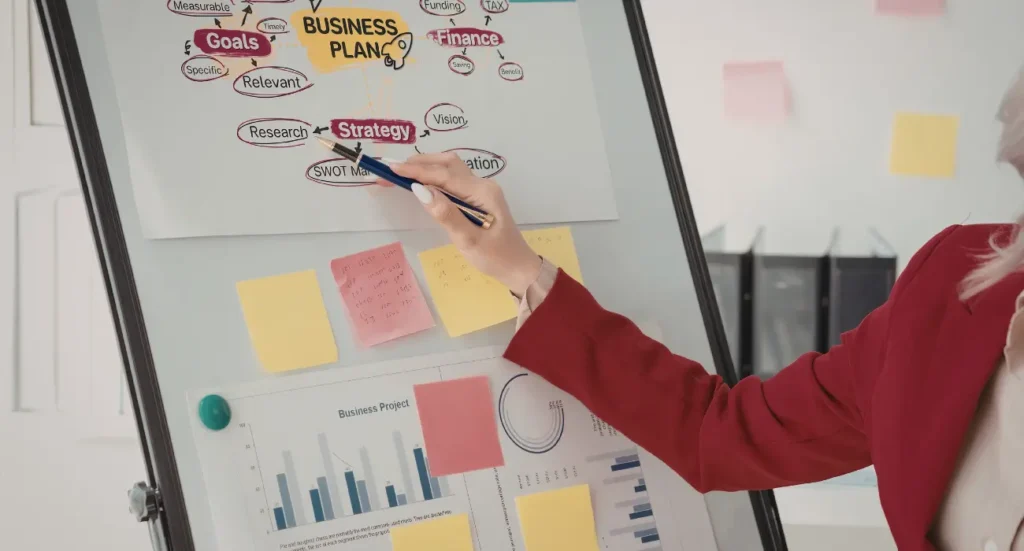
Here are the strategies you need to follow:
1. Product positioning that makes the choice easy
In 2026, the biggest conversion lever is clarity. People buy faster when they instantly understand what you sell and why it is better.
Improve positioning by making these elements obvious:
- The problem your product solves
- Who the product is for
- What outcome the buyer should expect
- Why your brand is more credible than alternatives
2. Conversion-focused landing pages for every major offer
One product page is not enough. High-performing stores build pages for specific offers and audiences. This is how you create SEO-Friendly Landing Pages that also convert paid traffic.
A high converting landing page includes:
- A headline that states the outcome
- Benefit bullets that reduce doubt
- Trust signals above the fold
- A clear call to action with one next step
- Simple shipping, returns, and guarantee clarity
3. Content that captures buyers before they buy
Content is not just for traffic. It is for trust. It pre-sells the buyer before they reach checkout. This is especially important for new ecommerce business ideas that need education.
Content types that drive conversions in 2026 include:
- Buying guides for decision support
- Comparison posts that handle objections
- Product use case content
- UGC style short videos
- FAQ content that reduces support friction
When content is planned strategically, it reduces reliance on ads and improves conversion quality across every channel. If your store is publishing content without a clear structure or buyer intent, this is where performance breaks down. A focused content strategy helps you decide what to publish, who it is for, and how each piece supports revenue rather than just visibility.
4. Email sequences that drive repeat purchases
Email remains one of the most effective eCommerce Sales Strategies because it increases customer lifetime value.
The key is lifecycle messaging, not random newsletters.

Build these email flows:
- Welcome sequence that builds trust and pushes the first purchase
- Abandoned cart sequence that removes hesitation
- Post purchase sequence that improves satisfaction
- Cross sell sequence based on product pairing
- Win back sequence for inactive customers
When email is treated as a system instead of a broadcast channel, it becomes a predictable revenue driver. If your emails are not segmented by behavior or aligned with customer intent, you are leaving repeat sales on the table. A structured email marketing strategy helps you map the right message to the right moment and turn one time buyers into long term customers.
5. Paid ads that scale only what already converts
Paid ads still work in 2026, but they punish weak funnels. The best stores use ads as amplification, not survival.
Your paid strategy should be built in layers:
- The first layer is retargeting warm audiences
- The second layer is prospecting with proven creatives
- The third layer is scaling based on profitable ROAS and margin
6. Creator partnerships built for trust, not hype
Influencers are no longer a shortcut. In 2026, creator marketing works when it is treated like distribution and credibility.
Choose creators who:
- Speak directly to your buyer type
- Can show the product in real use
- Produce content you can reuse in ads and emails
- Build trust through honest explanation
This strategy works across many types of ecommerce businesses, especially lifestyle and consumer categories.
7. Retention systems that increase customer lifetime value
Retention is the simplest path to e-commerce growth because it lowers acquisition pressure.
Here are the retention systems that work:
- Loyalty points with clear rewards
- Subscription offers for repeat products
- Post purchase education and community
- Fast support and order updates
- Surprise value, such as bonuses or upgrades.
8. SEO that supports both traffic and conversion
SEO is still one of the strongest long term assets for e-commerce business.
In 2026, you need on-page structure plus authority building.
Your strategy should include:
- On-Page SEO for Local Businesses if you serve specific locations
- Off-Page SEO Strategies, such as backlinks and brand mentions
- Product page optimization with clean internal linking
- Collection pages that target buyer intent keywords
9. Faster pages and better mobile experience
Speed is a conversion strategy. Mobile performance is a trust signal.
To improve performance:

- Compress images and remove heavy files
- Improve checkout speed and reduce steps
- Use clean layouts and a clear hierarchy
- Apply How to Optimize Images for SEO to keep pages fast and discoverable
How Your E-commerce Model Changes the Strategy
Your strategy should match your store model. Different types of ecommerce businesses require different priorities.
- Digital products lean more on content and email
- Subscription stores depend heavily on retention
- Marketplaces need trust, reviews, and supply growth
- Dropshipping depends on differentiation and speed
When your strategy matches your model, your marketing becomes more efficient.
Common Mistakes That Reduce E-commerce Growth
Avoid these mistakes:
- Running ads without fixing conversion issues
- Posting content without a buyer intent plan
- Ignoring email flows and retention
- Building a store that lacks clear positioning
- Trying to copy competitors without context
Frequently Asked Questions
What are marketing strategies for e-commerce business
Marketing strategies for e-commerce business are structured plans that guide how you attract visitors, convert them into customers, and increase repeat purchases. They connect messaging, channels, and experience into one growth system.
What matters most for e-commerce growth in 2026
Clarity, trust, and retention matter most. Brands that improve positioning, conversion, and repeat buying outperform brands that rely only on ads.
Do these strategies work for small e-commerce businesses
Yes. Small stores can start with one offer, one channel, and one conversion goal. The key is to build a system step by step and avoid doing too many things at once.
How do I know which strategy to start with first
Start where you are leaking money or losing buyers. If your page does not convert, fix the conversion. And also if you convert but have low repeat purchases, build retention. If you rely only on ads, build content and email.
Conclusion
The best marketing strategies for e-commerce business in 2026 are the ones that reduce confusion and increase customer confidence.
When your positioning is clear, your landing pages convert, your emails retain, and your channels support each other, growth becomes predictable. If you want to grow your e-commerce business this year, start by choosing one offer and improving the full path from traffic to repeat purchase.
If you want expert help building a clear strategy that increases conversions and strengthens e-commerce growth, book a discovery call with Techdella and let us map your next phase with precision.

I’m Ayomide, a content writer at Techdella. I love breaking down complex ideas into simple, easy-to-read content and keeping people in the loop about what’s happening in the digital world. I’m usually online checking out new trends and ideas, which helps me create content that feels fresh, relatable, and engaging.
Get it in your inbox
One email a week. Real startup marketing insights — no filler.
Join 1,400+ founders. Unsubscribe anytime.
You're in!
Thanks for subscribing. Your first issue will arrive shortly.